Recycling and Sustainability for Gardeners Whitton
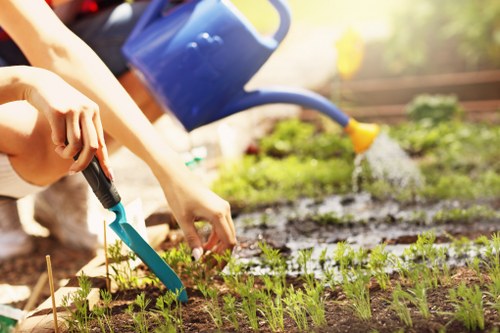 Gardeners Whitton is committed to greener gardening through practical recycling, lower-waste working methods, and a steady focus on sustainability. As local gardens, shared spaces, and private grounds evolve, the way green waste and materials are handled matters just as much as the quality of the planting itself. By using responsible disposal routes, separating recyclable materials carefully, and choosing cleaner transport, Whitton gardeners can support a more circular approach to outdoor maintenance. This means less waste going to landfill, more reuse where possible, and better alignment with the environmental expectations of the boroughs we serve.
Our approach to garden recycling in Whitton begins with sorting materials at source. Green waste such as prunings, hedge trimmings, grass cuttings, and leaves can often be directed into composting or biomass recovery streams rather than general waste. Small quantities of soil, pot fragments, broken terracotta, and untreated wood are also assessed for reuse or specialist recycling. In many nearby boroughs, waste separation is becoming more structured, with clear distinctions between food waste, garden waste, dry mixed recyclables, and residual rubbish. We support this direction by keeping recyclable and non-recyclable materials apart wherever practical during gardening work.
 A big part of sustainable gardening is making sure the right material goes to the right place. That is why Gardeners Whitton recycling practices include sorting by material type before anything is moved off site. Organic matter can be taken to licensed local transfer stations, where it is handled for composting or energy recovery. These facilities play an important role in keeping bulky green waste out of general disposal routes, especially after seasonal pruning or larger clearances. By using approved stations, we help reduce unnecessary transport miles and ensure waste is handled according to local environmental standards.
In practical terms, our waste strategy is designed around efficiency and responsibility. Garden projects often generate a mix of recyclable and reusable items, including metal edging, empty planting containers, cardboard packaging, and timber offcuts. When these are separated correctly, they may be routed into different recycling channels rather than thrown together. This is especially useful across boroughs with active waste-separation systems, where mixed loads can be rejected or redirected if contamination is high. For that reason, recycling-focused garden maintenance is not only better for the environment, but also more reliable and cost-effective in day-to-day operations.
The use of local transfer stations also helps us work in step with the wider area’s sustainability goals. Some stations manage compostable green waste, while others provide sorting for timber, metals, plastics, and inert materials. By choosing facilities that are close to Whitton and easy to access from surrounding districts, we reduce travel emissions and support a cleaner logistics chain. This is particularly helpful when dealing with larger amounts of hedge cuttings, turf, roots, or soil from landscaping work. The end result is a more controlled system that keeps Whitton gardening recycling practical without compromising environmental care.
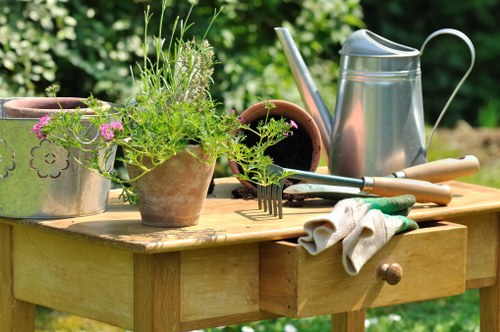 Sustainability also extends beyond waste handling and into the relationships we build with the local community. We work in partnership with charities and reuse-led organisations where appropriate, helping divert suitable items away from disposal. Usable plant pots, garden furniture, tools, decorative containers, and salvageable materials may be channelled towards charities that support community gardens, training schemes, or social projects. This kind of partnership gives items a second life and helps reduce the volume of waste created by routine gardening and clearance work. It also reflects a broader commitment to responsible local stewardship and the principle that good materials should be reused whenever possible.
Another key part of our sustainability plan is transport. Gardeners Whitton uses low-carbon vans to reduce the environmental footprint of travel between jobs, transfer stations, and supply points. These vehicles are selected to improve fuel efficiency and lower emissions, especially in busy residential areas where short-distance journeys are frequent. A modern, cleaner fleet makes a meaningful difference over time, particularly when repeated site visits and waste runs are involved. Combining efficient routing with low-carbon vans helps keep operations aligned with the growing demand for greener services across the boroughs.
We also aim to choose materials and methods that create less waste from the outset. That includes using durable tools, limiting unnecessary packaging, and recommending planting choices that suit local conditions so replacements are needed less often. Where possible, organic mulch, compost, and soil improvers are sourced with sustainability in mind. Even small decisions can support broader recycling outcomes: for example, empty bags, cardboard sleeves, and plastic plant trays are kept separate so they can enter the right recycling stream. In areas where councils encourage detailed waste separation, these habits make it easier for households and contractors alike to stay compliant.
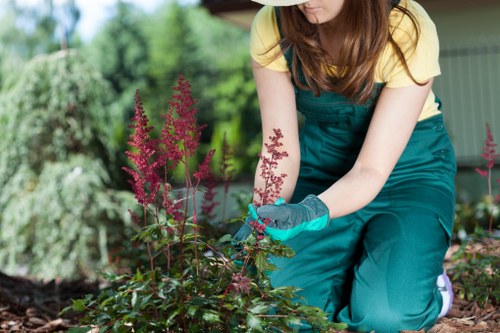 For Whitton and the surrounding parts of West London, sustainability is increasingly about doing everyday work better. That means lowering waste, improving recovery rates, and working with facilities and organisations that share the same values. A strong recycling culture also benefits local gardens directly, as composted green waste can be returned to productive use and reusable materials can stay in circulation longer. By focusing on practical environmental actions rather than empty claims, Gardeners Whitton supports outdoor spaces that are well maintained and responsibly managed.
Our recycling and sustainability practices are built to keep pace with modern expectations. The recycling percentage target for our garden waste operations is to divert at least 90% of suitable organic and recyclable material away from landfill and general disposal routes, where local facilities and material quality allow. This target encourages careful sorting, better planning, and consistent use of approved recovery systems. It is a realistic benchmark that reflects both environmental ambition and the practical nature of garden work in Whitton and nearby boroughs.
 Looking ahead, the goal is simple: make every project cleaner, smarter, and more resource-efficient. From local transfer stations and charity partnerships to low-carbon vans and careful waste separation, each part of the process contributes to a smaller footprint. Whether it is a routine tidy-up or a larger clearance, Gardeners Whitton sustainability practices are designed to support a healthier local environment while keeping materials in use for as long as possible. That is how modern gardening can stay productive, responsible, and genuinely sustainable.