Whitton Park Garden Services for Estate and Communal Green Space
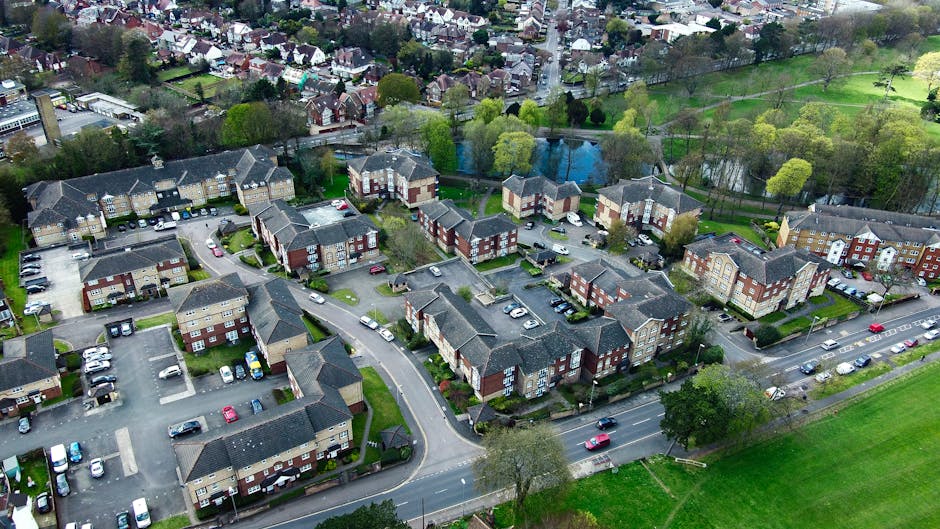
Shared gardens do a lot of quiet heavy lifting. They shape first impressions, give residents a place to breathe, and can either make a development feel cared for or, if neglected, make the whole place look tired. That is why Whitton Park garden services for estate and communal green space matter so much: they are not just about mowing grass or trimming hedges, but about keeping shared outdoor areas safe, welcoming, tidy, and resilient through the seasons.
In a communal setting, every detail counts. A patch of weeds near a path, an overgrown shrub blocking light, or slippery paving after a wet week can quickly affect how people use the space. Good estate gardening is planned, consistent, and responsive. It balances appearance with access, safety, biodiversity, and day-to-day practicality. Let's look at what that really means, how the work is typically organised, and how to choose the right approach for your site.
Why Whitton Park garden services for estate and communal green space Matters
Communal green spaces work differently from private gardens. They are used by more people, wear faster, and need maintenance decisions that suit a mix of users, not just one household. A lawn that looks fine from a window may be hiding compacted soil, dog damage, poor drainage, or edging that has become a trip hazard. On estates, these small issues add up fast.
That is why estate gardening is partly about presentation and partly about stewardship. Residents want the place to feel pleasant, but managing agents, resident associations, housing providers, and leaseholders also need reliability, clear schedules, and sensible priorities. A good maintenance plan keeps the site neat without constantly overworking the planting or creating unnecessary costs.
In practice, well-managed shared gardens can help with:
- Kerb appeal and reputation for the whole property.
- Safer movement around paths, entrances, and communal seating areas.
- Better use of outdoor space for residents, families, and visitors.
- Reduced repair pressure from unchecked growth, blocked drains, or invasive plants.
- More consistent seasonal performance, especially through wet winters and dry spells.
Truth be told, most problems in communal spaces are not dramatic. They are small, repeated, and easy to miss until they become expensive. A little regular care changes that picture completely.
How Whitton Park garden services for estate and communal green space Works
Estate and communal garden maintenance usually starts with a site assessment. That is where the gardener or grounds team looks at the lawn condition, hedge lines, shrub beds, access routes, boundary edges, drainage issues, and any high-use areas such as bin stores, entrances, play zones, or seating pockets. From there, the work can be shaped around the site's real needs rather than a one-size-fits-all list.
A sensible plan often includes scheduled visits and occasional extra work. The routine tasks may cover mowing, edging, weeding, hedge trimming, pruning, leaf clearance, and seasonal planting. More specialised work can involve tree care, pressure cleaning of hard surfaces, fencing repairs, or improvements to tired planting areas. If your communal space is a bit of a mixed bag, that is normal. Many are.
If the estate has low-maintenance goals, there may also be a stronger focus on planting choices that hold their shape, suppress weeds, and cope with shade or wind. A useful starting point is the site's character. For example, if one corner is bare and gets kicked through all winter, a tough ground layer may be better than a delicate bedding display. You can also explore practical planting ideas in guides like ground cover ideas for busy shared spaces and simple low-maintenance garden thinking.
Communication is part of the process too. In a communal setting, someone has to coordinate access, update residents if work will cause short-term inconvenience, and make sure seasonal jobs happen before things get messy. Nothing glamorous there, but it matters.
Key Benefits and Practical Advantages
There are obvious aesthetic gains, but the real value of professional shared-space gardening often sits beneath the surface.
1. A more usable outdoor environment
Regular maintenance keeps routes clear, edges tidy, and seating or amenity areas more inviting. Residents are more likely to use a space that feels cared for. You will notice it in small ways: fewer complaints, more people lingering outside, and less of that neglected look that creeps in when nobody quite takes ownership.
2. Lower long-term maintenance pressure
Consistent cutting, pruning, and weeding prevents problems from becoming structural. A hedge left too long can shade out lawns, spread into walkways, or become expensive to correct later. A patch of self-seeded weeds left through the summer can dominate a bed by autumn. Regular care keeps the workload sensible.
3. Better seasonal resilience
Shared gardens in the UK need to handle rain, frost, wind, heat, and the odd unpredictable stretch of everything at once. Planting choices and maintenance timing should reflect that. If you want more ideas around hardy planting and weather-aware planning, the articles on protecting plants in winter and climate-resilient garden ideas are useful companions.
4. More privacy and comfort
In estates and communal spaces, people often want greenery that does more than look good. Hedges, climbers, and layered planting can soften views, define boundaries, and create a bit of calm. That can be especially helpful around shared patios, entrances, or seating corners. A well-chosen hedge can do a lot of heavy lifting, as can the right screening plants or climbing varieties.
5. Stronger safety and fewer nuisances
Trip hazards, low visibility, broken edging, blocked paths, and slippery surfaces are all more manageable when the site is inspected regularly. Even seemingly minor issues, like overhanging shrubs or fallen twigs after wind, can affect safety and access. Better upkeep means fewer little surprises.
Expert summary: In communal green space, the best gardening is not the flashiest. It is the most consistent. A site that looks calm, clear, and quietly healthy usually owes that effect to a steady maintenance rhythm rather than big one-off interventions.
Who This Is For and When It Makes Sense
These services are a strong fit for anyone responsible for a shared outdoor area where appearance, safety, and usability all matter at once. That might sound broad, but in real life it usually means one of a few common situations.
- Residential estates with lawns, borders, hedges, and access routes.
- Block management teams handling communal grounds for flats or mixed-use developments.
- Housing associations wanting predictable, safe, and tidy external areas.
- Resident committees needing reliable upkeep without overcomplicating the process.
- Commercial sites with shared green space around workplaces, visitor areas, or mixed properties.
- Schools or care environments where outdoor areas need tidy presentation and practical safety.
It also makes sense when the space is beginning to drift. Perhaps the lawns are still passable, but the hedge line is messy, the beds are weedy, and the paths no longer feel crisp. That is usually the point where regular maintenance pays for itself, because you are restoring control before the site becomes a bigger job.
One resident on a small block may care most about neat front borders. Another may only notice the garden when the bins are surrounded by nettles. A good maintenance plan quietly accommodates both, and that is part of the job.
Step-by-Step Guidance
If you are planning or reviewing Whitton Park garden services for estate and communal green space, a structured approach helps. Here is a practical way to think it through.
- Walk the site properly. Look at the whole space at different times of day if possible. Shade, wind, foot traffic, drainage, and visibility all change the picture.
- Identify the highest-priority areas. Entrances, paths, bin areas, seating spaces, and any parts that affect safety should usually come first.
- Separate regular tasks from seasonal tasks. Mowing and weeding may happen on a repeating schedule, while pruning, clearance, and planting may be seasonal or occasional.
- Decide what level of finish is actually needed. A decorative court garden needs a different standard from a practical access verge. Not every area should be treated the same way.
- Choose plant material carefully. Tough, manageable planting often works better than high-maintenance displays in shared spaces. Some estates benefit from evergreen structure, while others need ground cover or wind-tolerant planting.
- Set communication rules. Residents and site managers should know who to contact, what will be done, and how often.
- Review after the first few visits. The first month or two often reveals things the initial walkover missed: drainage quirks, hidden litter zones, or areas where grass wear is worse than expected.
That last step is easy to ignore, but it is one of the most useful. Sites talk back. Not literally, obviously. Though sometimes the weeds come close.
Expert Tips for Better Results
Once the basics are in hand, a few practical choices can improve the entire feel of the space.
Prioritise edges and transitions
It is often the boundary areas that make a place feel cared for. Clean edging between lawn and border, tidy transitions around paving, and crisp lines near hedges or fences have a bigger visual impact than many people expect.
Use planting to solve problems, not just decorate
In communal gardens, plants should earn their keep. If a border is dry and exposed, pick species that tolerate those conditions rather than fighting them every year. If a shaded corner feels dead, evergreen climbers or shade-tolerant structure planting can bring it back to life. Helpful reads include shade-loving climbers and how to keep ivy under control.
Keep a seasonal rhythm
Spring growth, summer weeds, autumn leaf fall, and winter weather all demand different attention. A space that is perfect in May can look rough by November if the maintenance pattern does not adjust. That is normal, and manageable. It just needs planning.
Don't ignore hard landscaping
Communal spaces are not just about living material. Paths, patios, decking, and fences all influence the overall impression. A bit of moss on paving or grime on hard surfaces can undo the effect of otherwise good planting. If the site includes these elements, it is worth thinking about patio cleaning, decking services, or fencing as part of the wider plan.
Keep communication practical and human
A short notice about hedge work or mowing can prevent frustration later. People are more forgiving when they understand what is happening and why. Sounds basic, but it works.
Common Mistakes to Avoid
Shared spaces often fail for boring reasons. That is the honest answer.
- Using a private-garden mindset. A communal space needs durability, access, and repeatability, not just visual charm.
- Letting one area dictate the whole schedule. A front display bed should not absorb all the attention while the rear access route becomes scruffy.
- Skipping hedge and shrub management. Overgrowth reduces light, creates hiding spots for litter, and can even make residents feel uneasy.
- Ignoring weed pressure early. Once weeds seed into beds or paving joints, the job gets bigger and less pleasant.
- Choosing high-maintenance planting without a care plan. Beautiful for a few weeks, then everyone regrets it. Happens all the time.
- Forgetting drainage and wear patterns. Waterlogged corners and compacted grass do not fix themselves.
- Leaving residents out of the loop. If people use the space daily, they should know when work is happening and what changes to expect.
One of the biggest mistakes is also the quietest: assuming a good-looking site is a healthy one. Not always true. A lawn can look green while being thin and stressed underneath. A hedge can look tidy from one angle and be congested inside. There is usually more going on than meets the eye.
Tools, Resources and Recommendations
Good communal garden care depends on the right kit, but not necessarily the fanciest kit. The better question is: what helps the team work safely, efficiently, and consistently?
Useful tools
- Commercial-grade mower for regular turf management on larger shared lawns.
- Hedge trimmers and hand tools for controlled shaping and finer detail.
- Leaf blowers, rakes, and collection tools for seasonal clearance.
- Weed control tools for beds, paths, and hard surface joints.
- Pruning tools and saws for shrubs and small tree work.
- Pressure washing equipment where hard landscaping is part of the maintenance schedule.
If you want a broader sense of what a professional kit typically includes, the article on essential gardening tools is worth a look. For mowing and lawn-focused upkeep, lawn mowing and lawn care are both useful reference points too.
Practical resources to keep on hand
- A site map or simple maintenance plan.
- Photo notes of areas that need regular attention.
- A seasonal calendar for mowing, pruning, leaf clearance, and planting.
- Contact details for whoever signs off work or handles resident queries.
- A clear record of any recurring issues, such as shade, drainage, or vandalism.
It is amazing how much smoother the work becomes when someone simply keeps the notes in one place. Old-fashioned? Maybe a bit. Effective? Absolutely.
Law, Compliance, Standards, or Best Practice
For estates and communal green spaces, the practical side of compliance usually matters as much as the horticulture. While exact obligations depend on the site, ownership structure, and management arrangements, it is sensible to think in terms of duty of care, access safety, and clear working practice.
In the UK, shared outdoor areas typically need attention to safe access, sensible maintenance methods, and risk management around tools, machinery, slips, trips, and overhanging growth. If work involves trees, larger shrubs, or areas near buildings, a cautious and competent approach is important. If there are concerns about diseased, unstable, or unsafe trees, specialist assessment is usually the safer route. For that kind of work, tree surgery is the relevant service area.
Best practice in communal grounds usually includes:
- Risk-aware scheduling so work does not create avoidable hazards.
- Clear communication before disruptive tasks such as hedge reduction or major clearance.
- Appropriate PPE and safe working methods for staff and contractors.
- Respect for access and privacy when working near homes or windows.
- Attention to waste handling and tidy site finish after each visit.
It is also wise to work with people who can explain their processes plainly. Pages such as insurance and safety and health and safety policy are the kind of transparency signals that help reassure managing agents and residents alike.
For any contractor relationship, the commercial basics matter too. A clear scope, reasonable quote structure, agreed access times, and a proper complaints route all reduce friction later. That is just sensible, not fancy.
Options, Methods, or Comparison Table
Different sites need different levels of input. Here is a simple comparison that helps when deciding what is actually needed.
| Approach | Best for | Strengths | Limitations |
|---|---|---|---|
| Basic reactive maintenance | Very small or low-use communal areas | Lower upfront commitment, simple to arrange | Problems build up between visits, less consistent finish |
| Scheduled routine maintenance | Most estates, blocks, and shared gardens | Predictable, tidy, safer, better value over time | Needs regular planning and coordination |
| Enhanced grounds care with seasonal upgrades | Sites with strong presentation needs | Better curb appeal, stronger planting structure, improved amenity | Higher cost and more management input |
| One-off restoration or renovation | Overgrown or neglected communal areas | Fast reset, useful for "garden rebirth" situations | Not a substitute for ongoing maintenance |
For many Whitton Park sites, the sweet spot is scheduled maintenance with occasional enhancement work. A one-off cutback may solve an immediate problem, but the real result comes from staying on top of it. If you need a broader reset, the idea of a garden refresh may be worth pairing with first steps to a garden rebirth.
Case Study or Real-World Example
Imagine a medium-sized residential development with a shared front lawn, boundary hedges, a few mixed shrub beds, and a paved footpath from the car park to the entrances. At the start of spring, the site looks presentable enough from a distance, but closer up it feels messy. The hedges are uneven, weeds are creeping into edging, and the lawn has a couple of worn patches where people cut across the same route every day.
The first move is not a dramatic redesign. It is a reset.
A sensible maintenance plan would likely begin with:
- cutting and defining the lawn edges
- removing weeds from beds and path joints
- trimming hedges to restore shape and light
- clearing debris from corners and behind bins
- checking any damaged or poorly performing planting
- reviewing whether any spots need tougher ground cover or better screening
Over a few visits, the site starts to feel different. Not expensive. Just calmer. The path looks wider, the planting looks deliberate, and residents stop referring to "that scruffy patch by the entrance." That little shift matters more than people think. In the evening light, when the hedge line is clean and the lawn is even, the whole place feels more settled.
If the site later needs more privacy or boundary structure, the team might explore solutions such as privacy hedges or a broader landscaping refresh through landscaping. If the goal is a more cohesive long-term maintenance plan, the practical next step is usually a site review and quote discussion.
Practical Checklist
Use this checklist when assessing or commissioning work for estate and communal green space.
- Have you walked the full site, including hidden or rear access areas?
- Are the highest-use paths, entrances, and communal features prioritised?
- Is mowing, edging, and weed control on a sensible schedule?
- Do hedges, shrubs, and climbers need shaping or reduction?
- Are there any drainage, shade, or wind issues affecting plant health?
- Do the beds need tougher planting or better ground cover?
- Are hard surfaces, decking, or patios part of the maintenance plan?
- Is there a clear contact person for access and approvals?
- Are residents informed before disruptive seasonal work?
- Has the team checked safety, insurance, and working methods?
- Is there a simple record of recurring issues and completed tasks?
If you can answer most of those with confidence, you are already in a much better place than many communal sites. And if not, no drama. It just means there is a bit of catching up to do.
Conclusion
Whitton Park garden services for estate and communal green space are about far more than keeping things tidy. They support safety, comfort, appearance, and long-term value in places that many people depend on every day. When shared gardens are maintained well, they stop feeling like leftover land and start feeling like part of the home.
The best results usually come from consistency, clear priorities, and a maintenance plan that fits the site rather than fighting it. Whether your space needs routine lawn care, hedge trimming, seasonal clearance, or a more involved reset, the aim is the same: create a communal environment that feels ordered, useful, and quietly welcoming.
If you are reviewing a site, planning a maintenance schedule, or dealing with a green space that has slipped a little, start with a proper assessment and a realistic plan. Small improvements add up quickly. They really do.
Get a free quote today and see how much you can save.
Frequently Asked Questions
What do Whitton Park garden services for estate and communal green space usually include?
They usually cover mowing, edging, weeding, hedge trimming, pruning, leaf clearance, planting care, and sometimes hard surface cleaning or minor landscaping support. The exact mix depends on the site and how it is used.
How often should a communal garden be maintained?
That depends on growth rate, traffic, and the standard expected for the property. Many communal spaces benefit from regular visits during the growing season and lighter or seasonal work at quieter times of year.
Are communal gardens more expensive to maintain than private gardens?
They can be, because they are usually larger, more heavily used, and need more coordination. But regular maintenance often lowers the longer-term cost by stopping problems from building up.
Can shared green spaces be made lower maintenance?
Yes. Tough planting, sensible ground cover, well-chosen hedges, and a good mowing and weeding schedule can make a big difference. The trick is to design for the site's real conditions, not just what looks nice on paper.
What should a managing agent look for in a garden service provider?
Look for clarity, reliability, insurance, safe working practices, and a maintenance plan that fits the site. It also helps if the provider communicates well and can explain why certain jobs are being done.
Do communal gardens need seasonal planting?
Not always, but it can improve appearance in key areas such as entrances or focal beds. For some sites, structure and evergreen planting matter more than changing displays.
How do you deal with weeds in estate gardens?
Early, consistent control is best. Regular hand weeding, bed maintenance, and attention to path edges usually work better than waiting until weeds are fully established. There are also practical tips in the site's weed-focused guidance.
What if the communal space has lots of shade or wind?
That is common. Shade-tolerant planting, evergreen structure, wind-aware planting choices, and a maintenance plan that respects those conditions are usually the answer. The space does not need to be perfect; it needs to be suitable.
Can garden services help with privacy in shared outdoor areas?
Yes. Hedges, climbers, and layered planting can soften sightlines and make seating or entrance areas feel calmer. It is best handled as part of a wider planting plan rather than as a quick fix.
What is the difference between garden maintenance and landscaping?
Garden maintenance is the ongoing care of an existing space. Landscaping usually refers to changes, improvements, or redevelopment work such as new planting schemes, edging, fencing, paths, or layout adjustments.
Why does safety matter so much in communal garden work?
Because the space is used by multiple people, often daily. Clear paths, tidy edges, careful use of tools, and sensible communication all reduce the chance of slips, trips, and avoidable disruption.
How do I get started if the communal area is overgrown?
Start with a site assessment and a priority list. The first job is usually to regain control: clear access, cut back overgrowth, remove weeds, and identify any hidden issues. After that, regular maintenance keeps it stable.
Is it worth improving hard surfaces as well as planting?
Usually, yes. Clean patios, tidy decking, and well-kept paving help the whole space feel finished. Planting and hard landscaping work together, so one neglected area can drag the other down.
Where can I find more information about your services and company standards?
You can explore the wider service pages, read more about the team on the about us page, and review the information on safety, privacy, and payment to understand how the process works before you enquire.
Shared outdoor spaces deserve care that feels steady, thoughtful, and human. When they are looked after properly, they stop being background scenery and become part of everyday life in the best possible way.